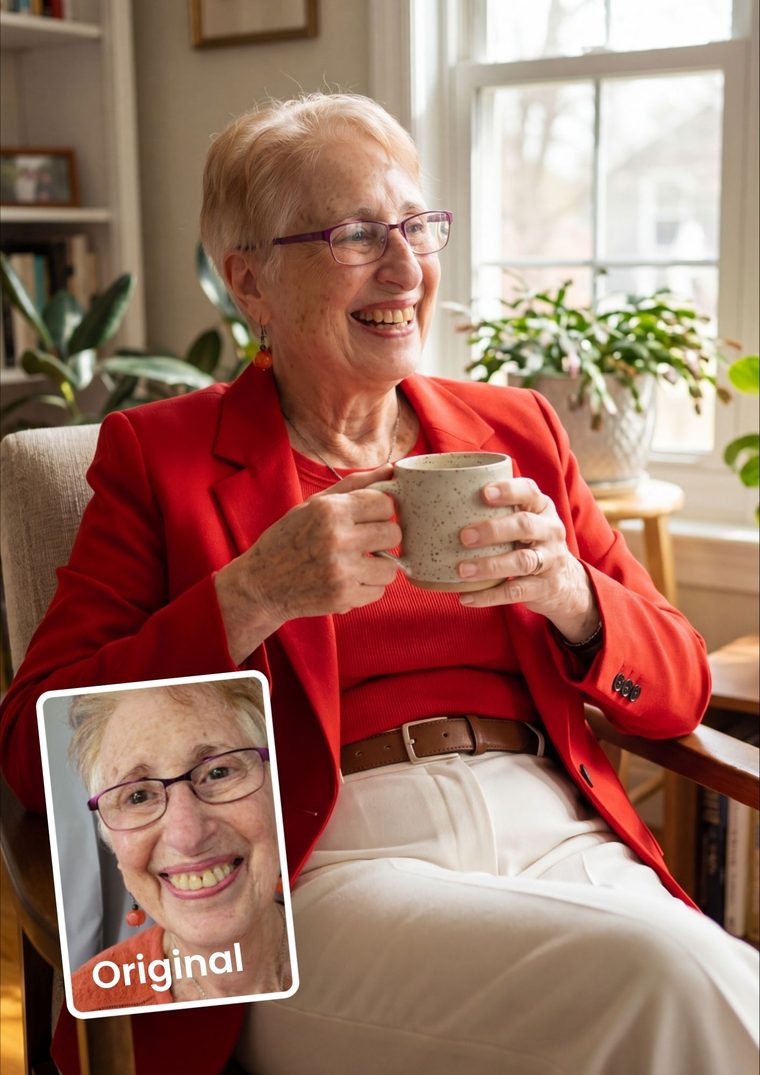
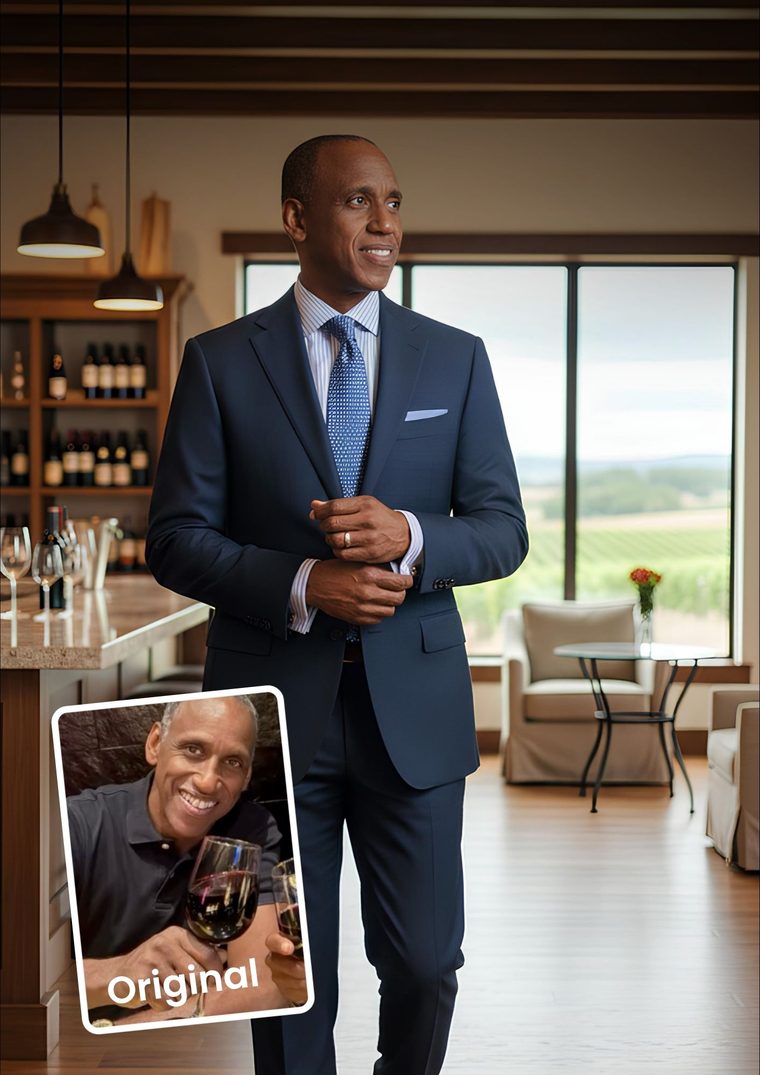
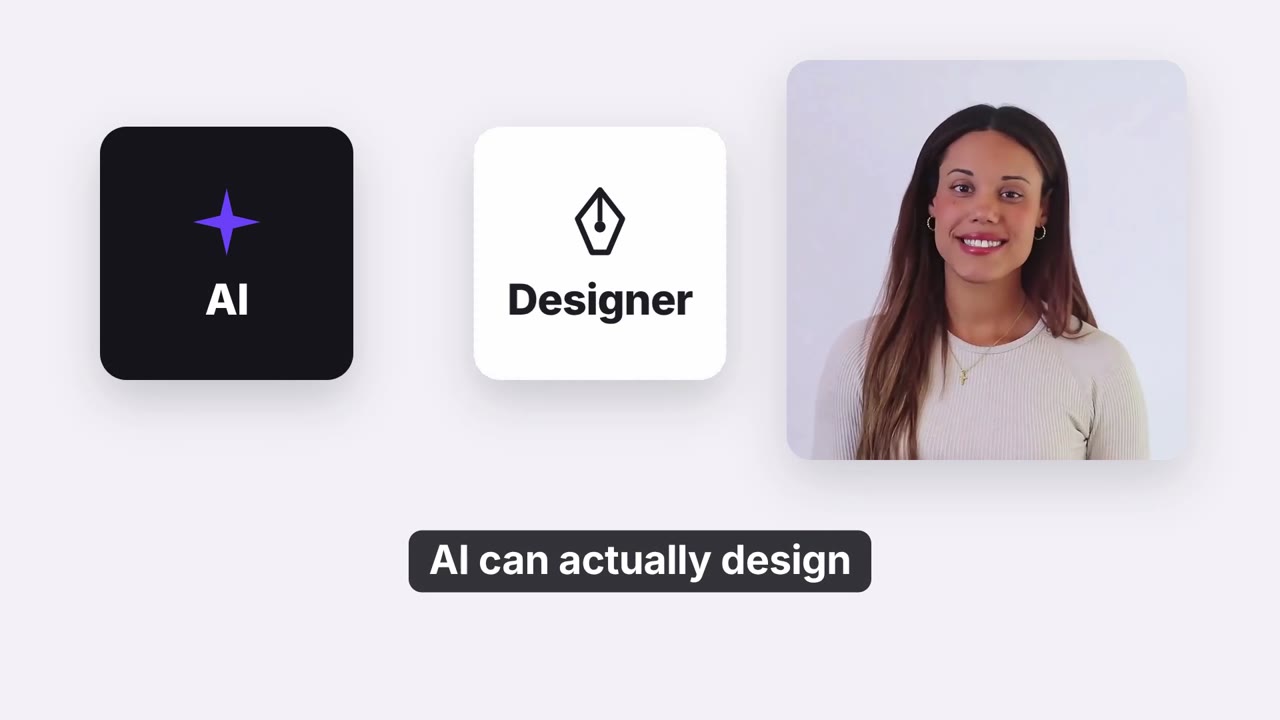
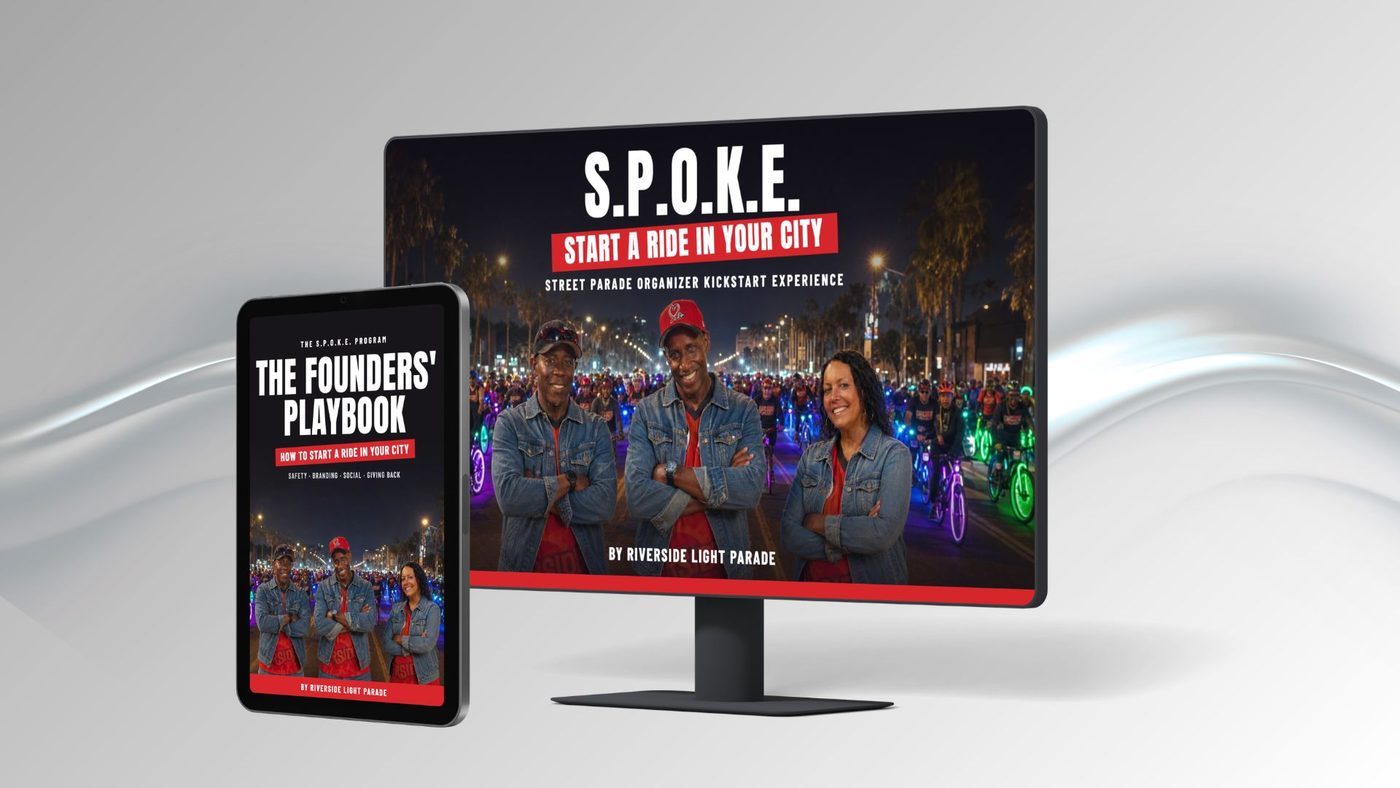
Working with David was a smooth and personal experience from start to finish. He truly understood my brand and the way I wanted to show up online. When I saw the final photos I was blown away, these look terrific! They captured exactly the warmth and authenticity I was going for, and I loved the results so much I came back for a second set.
Personal Branding
Sue PlumtreeLove Life Coach
“
Brittany and I have worked on many projects together now over time, and she is simply amazing! She always delivers top-notch graphics, sound, and editing, all wrapped in a clear understanding of what we are working on. I find myself using Brittany as the standard when hiring outside of her area.
The Money Makeover
Dr. Dave AsomaningExecutive Coach, SynchroMind LLC
“
Brittany absolutely nailed the video presentation for my book! From start to finish, she brought a level of professionalism, clarity, and charisma that took the entire project to another level. Her delivery was polished yet natural, and she spoke with genuine conviction, as if she truly believed in the message behind the book—which made it all the more impactful. What stood out most was Brittany’s ability to connect with the audience through the screen. Her tone, pacing, and expressions were all on point, giving the video a confident and welcoming vibe that draws viewers in. She didn’t just present the material—she elevated it. I also appreciate how easy and smooth the entire process was. Brittany communicated clearly, delivered ahead of schedule, and followed the brief to perfection.
Promo Video
DJ Disciple (David Banks)DJ and author
David & Brittany van Rees
About us
The husband-and-wife team behind your visuals.
We're David and Brittany van Rees, a married couple with a shared passion for design, AI and entrepreneurship. David was already creating AI photoshoots, and Brittany was already creating presenter videos. Then we had a lightbulb moment and realized we should team up and work together.
Brittany
The eye. A background in graphic design, film and social media.
Answer eight quick questions about your business and get the one to three products or services that fit your stage and your biggest bottleneck, with the reasons why.
Photos that make you and your program look the part, and videos that do the selling. Every package has a fixed price and revisions built in.
3 packages
AI Photoshoots
A full set of on-brand photos of you, and sales graphics for your program, without booking a studio or giving up a day. We start with a mood board and color palette so everything you publish looks like one brand.
Brand promos and video sales letters that make the case for your offer, from a 60-second promo to a 20-minute masterclass. Every video is voiced by a real person, with motion graphics, titles, b-roll and music included.
Start free, then master the same AI tools and selling skills we use for our clients. Join the waitlist for any of them and we'll email you when it opens.
Free training
PlayMoney
They Press Play. You Make Money.
A free video training on the power of VSLs, with the best practices that get viewers to watch, trust and buy.
On-brand photos of you and sales graphics for your program, built from one mood board and color palette, so everything you publish looks like a single premium brand.
The problem is not your program. It is how it shows up.
You are reusing the same three headshots everywhere.
Your sales page is a wall of text because you have nothing to show.
A photographer, a studio and a stylist means weeks of planning and a day off work.
Your social posts, slides and sales page look like three different brands.
How it works
From brief to finished photos, in four steps.
1
Tell us about you and your offer
A short brief and a set of clear photos of yourself. We tell you exactly what we need.
2
We set the direction
A mood board, a color palette and typography, so every image belongs to the same brand.
3
We create your photoshoot
Photos of you in the settings your brand calls for, plus sales graphics on the Product and Enterprise packages.
4
You review, we refine
One or two rounds of revisions, depending on your package.
Samples
See the work.
Photo sample 1
Photo sample 2
Photo sample 3
Our promise
It is really you.
Every photo is built from your own face. We follow our 3R Trust Formula: real face, real voice, real value. We do not invent people, and we do not show your buyers something they will not get.
Testimonials
What clients say.
“
Working with David was a smooth and personal experience from start to finish. He truly understood my brand and the way I wanted to show up online. When I saw the final photos I was blown away, these look terrific! They captured exactly the warmth and authenticity I was going for, and I loved the results so much I came back for a second set.
Personal Branding
Sue PlumtreeLove Life Coach
“
Brittany and I have worked on many projects together now over time, and she is simply amazing! She always delivers top-notch graphics, sound, and editing, all wrapped in a clear understanding of what we are working on. I find myself using Brittany as the standard when hiring outside of her area.
The Money Makeover
Dr. Dave AsomaningExecutive Coach, SynchroMind LLC
Who it's for
This is for you if you are:
A coach, entrepreneur, expert, educator, thought leader or content creator with an online program or product
Launching or relaunching and short on visuals
Too busy to plan and sit for a traditional shoot
Who it's not for
This is not the right fit for:
Brands that need photos of real events, locations or teams
Physical products that need exact product photography
Anyone who would rather learn to do it themselves (see the MoneyShot course)
Yes. Your photoshoot is built from photos of you, so the result looks like you, not a stranger with your haircut.
Do I need to book a studio or a photographer?
No. There is no shoot day, no travel and no styling to arrange.
What do I need to send you?
A set of clear photos of yourself and a few details about your brand and your offer. We tell you exactly what we need once you book.
How many revisions are included?
Personal Branding and Product Branding include one revision. Enterprise Branding includes two.
Which package should I choose?
Personal Branding if you are the face of your brand. Product Branding if you are launching one program or product. Enterprise Branding if you want a full library of photos and graphics.
How long does it take?
Your first delivery arrives within 7 days. Revisions can take about 5 more days, depending on what you ask for.
Stop asking buyers to take your premium price on faith.
Buyers judge your offer by how it looks before they read a word. Every launch you run with old photos, or none, asks them to take your premium price on faith.
People trust a voice they believe is real. Every video we make is voiced by a person, following our 3R Trust Formula: real face, real voice, real value.
Testimonials
What clients say.
“
Brittany absolutely nailed the video presentation for my book! From start to finish, she brought a level of professionalism, clarity, and charisma that took the entire project to another level. Her delivery was polished yet natural, and she spoke with genuine conviction, as if she truly believed in the message behind the book—which made it all the more impactful. What stood out most was Brittany’s ability to connect with the audience through the screen. Her tone, pacing, and expressions were all on point, giving the video a confident and welcoming vibe that draws viewers in. She didn’t just present the material—she elevated it. I also appreciate how easy and smooth the entire process was. Brittany communicated clearly, delivered ahead of schedule, and followed the brief to perfection.
Promo Video
DJ Disciple (David Banks)DJ and author
“
Brittany and I have worked on many projects together now over time, and she is simply amazing! She always delivers top-notch graphics, sound, and editing, all wrapped in a clear understanding of what we are working on. I find myself using Brittany as the standard when hiring outside of her area.
The Money Makeover
Dr. Dave AsomaningExecutive Coach, SynchroMind LLC
Who it's for
This is for you if you are:
Selling a program or product online
Tired of making the same pitch on call after call
Sure of your subject but not keen on the camera
Who it's not for
This is not the right fit for:
Anyone who wants an AI-generated voice
Live event or documentary filming
Anyone who would rather learn to do it themselves (see the MoneyTalks course)
Packages
Three lengths, one goal.
Pick the length that fits the size of the decision you are asking for.
No. You can use our optional premium avatar presenter, which is customizable.
Who writes the script?
You can bring your own script, or add our optional script assistance.
Which length should I choose?
The 60-second Promo earns attention on social, in ads and at the top of a page. The 10-minute Showcase explains an offer in full. The 20-minute Masterclass suits a bigger decision and comes with three worksheets.
How many revisions are included?
Promo and Showcase include one revision. Masterclass includes two.
How long does it take?
Your first delivery arrives within 7 days. Revisions can take about 5 more days, depending on what you ask for.
Stop being the only one who can make your pitch.
Every sales call you take to explain the basics is an hour a video could have covered. Until the video exists, you are the only one who can make your pitch.
The same mood board, palette and typography drive both the photos and the video.
2
Your photos, in your video
The images and graphics from your photoshoot appear in the VSL, so nothing looks borrowed.
3
Everything matches
Sales page, social posts, slides and video all read as one brand on launch day.
4
One team
One brief and one point of contact, not three suppliers to manage.
Sample 1
Sample 2
Sample 3
Testimonials
What clients say.
“
Brittany and I have worked on many projects together now over time, and she is simply amazing! She always delivers top-notch graphics, sound, and editing, all wrapped in a clear understanding of what we are working on. I find myself using Brittany as the standard when hiring outside of her area.
The Money Makeover
Dr. Dave AsomaningExecutive Coach, SynchroMind LLC
Who it's for
This is for you if you are:
Launching or relaunching a flagship program
Ready to replace mismatched visuals in one go
Looking for both the brand library and the sales video
Who it's not for
This is not the right fit for:
Testing an idea you have not sold yet (start with a single package)
Anyone who only needs photos, or only needs a video
Anyone who would rather learn to do it themselves (see The Money Suite)
First delivery within 7 days. Allow about 5 more days for revisions.
Not sure yet? Book a call and we will talk it through.
Questions
Before you decide.
Can I buy the two parts separately?
Yes. Enterprise Branding and the Masterclass VSL are $999 each on their own.
How much do I save?
Bought separately the two come to $1,998. The Money Makeover is $1,499, a saving of $499.
How many revisions are included?
Two on the photoshoot and two on the video.
Do I have to be on camera?
No. The video can use an optional premium avatar presenter, and the voice is always human.
How long does it take?
Your first delivery arrives within 7 days. Revisions can take about 5 more days, depending on what you ask for.
Don't launch your flagship with mismatched visuals.
A launch with mismatched visuals and no video leaves the selling to you, one call at a time. The longer the flagship waits for its makeover, the more launches go out without it.
The Money Suite is not open yet. Join the waitlist and we'll email you the moment it is. Our four free apps and trainings stay free for everyone.
“
Everything is figureoutable.
Marie ForleoAuthor and entrepreneur
Who it's for
This is for you if you are:
Building a whole online business around your expertise
Planning to take five or more of the courses anyway
Happy to learn and do the work yourself
Who it's not for
This is not the right fit for:
Anyone who needs just one skill (buy that course on its own)
Anyone who wants it done for them (see our services)
People looking for a shortcut that skips the work
Questions
Before you decide.
Which courses are included?
All ten: MoneyShot, MoneyTalks, MoneyMachine, MoneyMagnet, MoneyMaker, MoneyPrinter, MoneyMail, MoneyHoney, MoneyTree and MoneyMind.
How is the $700 worked out?
Five courses at $99, four at $49 and MoneyMind at $9 come to $700 when bought one at a time.
Are the free apps and trainings part of it?
They are free for everyone, with or without the Suite.
Do I need any paid tools?
Some courses teach specific tools, including Higgsfield, HeyGen, Kit and Claude. MoneyMachine requires a Claude Pro account. Tool subscriptions are not included.
When does it open?
It is not open yet. Join the waitlist and we will email you when it is.
Stop paying for skills one problem at a time.
Buying skills one at a time, as each problem comes up, costs more and takes longer. Each month you put off the toolkit is a month you build your business without it.
Add your product visual and get ready-to-use mockups back.
02
Show the value at a glance
Buyers see a real product, not a description of one.
03
Support premium pricing
A product that looks finished is easier to price with confidence.
04
Free to use
No cost to get started.
Visual 1
Visual 2
Visual 3
“
A lot of times, people don’t know what they want until you show it to them.
Steve JobsCo-founder, Apple
Who it's for
This is for you if you are:
Coaches and creators selling a course, program, ebook or template
Anyone whose sales page is mostly text
Sellers who want a premium look without hiring a designer
Who it's not for
This is not the right fit for:
Physical products that need real packaging photography
Anyone without a product visual to upload yet
People looking for a full brand identity (see AI Photoshoots)
Stop asking buyers to imagine what they're getting.
A buyer cannot hold a digital product. Until they can see it, your price is just a number, and every day your page stays text-only you are asking people to imagine the value for themselves.
Your plan as a PDF, ready to save, print or share.
02
A custom sales funnel
The flow from first touch to sale, laid out for your offer.
03
The numbers behind the goal
See what each step of the funnel needs to deliver.
04
Free to use
No cost to get started.
Visual 1
Visual 2
Visual 3
“
Having a mental snapshot of where you are, where you are going, and what you are moving toward is incredibly powerful.
Sara BlakelyFounder, Spanx
Who it's for
This is for you if you are:
Entrepreneurs with an income goal but no map to it
Creators planning a launch
Anyone who wants the plan on paper before spending on ads or tools
Who it's not for
This is not the right fit for:
Established companies that need investor-grade financial models
Anyone looking for a done-for-you funnel build
People not ready to put numbers on their goals
Stop guessing your way to your revenue goal.
Without a plan, every week is guesswork: you post, you launch, you hope. The longer you go without the numbers, the longer you cannot tell what is working.
When a video can do the selling, and when it cannot.
02
The 10 to 20 minute rule
Why we recommend 10 to 20 minutes to hold attention today.
03
VSL best practices
What to say, in what order, and what to leave out.
04
Free to watch
No cost, no catch.
Visual 1
Visual 2
Visual 3
“
When value exceeds price, they buy.
Chris DoFounder, The Futur
Who it's for
This is for you if you are:
Anyone selling a program or product under $2,000
Sellers relying on long text pages or sales calls for lower-priced offers
People who have never made a VSL
Who it's not for
This is not the right fit for:
High-ticket offers that still need a sales call
Anyone who wants the video made for them (see Presenter Videos)
People looking for a script to copy and paste
Stop pitching the same offer one call at a time.
Every sales call you take for a lower-priced offer is an hour a video could have covered. Each launch without a VSL is another launch where you do all the selling live.
Make talking-head presenter videos with AI that still sound and feel like you.
Learn to create winning presenter videos in HeyGen, our top pick for AI video, using the 3R Trust Formula to keep your audience's trust. Doable for beginners.
Set up AI to check your emails, send proposals, edit and post your videos, and track your progress. Taught step by step in Claude (Pro account required).
Let AI check your inbox and surface what needs you.
02
Proposals, sent
Turn a conversation into a proposal without starting from scratch.
03
Videos edited and posted
Take the repetitive steps out of publishing.
04
Progress, tracked
See where things stand without building a spreadsheet.
05
Claude tutorial
Step-by-step setup. A Claude Pro account is required.
Visual 1
Visual 2
Visual 3
“
Your job and your mission should be to get everything off your plate that isn’t necessary for you to do and only to focus on the things only you can do.
Chris DoFounder, The Futur
Who it's for
This is for you if you are:
Solo entrepreneurs buried in admin
Small teams without an operations person
Anyone comfortable following step-by-step tutorials
Who it's not for
This is not the right fit for:
Anyone without a Claude Pro account who does not want one
People who need custom-built software
Anyone who wants AI to run the business unsupervised
Stop spending your best hours on busywork.
Admin does not shrink on its own. Every week you answer the same emails and rebuild the same proposal by hand is time you did not spend on clients or creating.
Grow your list and prove people want what you plan to sell.
A lead magnet is your lead generator and your first business experiment. Build PDFs and micro tools with Claude that grow your followers, subscribers and leads, and show you whether the problem you want to solve is one people have.
Grow your followers, subscribers and leads before you have anything to sell.
02
Proof the problem is real
If people take the free version, you have a signal. If they do not, you found out for free.
03
Winning lead magnet ideas
Find the freebie your audience wants enough to trade an email for.
04
PDFs and micro tools
Guides, checklists and small interactive tools that do one useful thing.
05
Claude tutorial
Build each one step by step.
06
Know when to build the product
Read the response, then decide what to launch.
Visual 1
Visual 2
Visual 3
“
It’s easier to make products and services for the customers you seek to serve than it is to find customers for your products and services.
Seth GodinAuthor, This Is Marketing
Who it's for
This is for you if you are:
Anyone with an idea but nothing to sell yet
Creators with no audience, or a list that is not growing
Anyone with a freebie nobody downloads
Who it's not for
This is not the right fit for:
Anyone who wants to skip straight to a product without testing demand
People looking for paid ads training
Anyone who wants the lead magnet built for them
Don't build a product for an audience you haven't met.
If your lead magnet is not getting taken, your product will not get bought either, and you will have no one to launch to. Every month without one is a month spent building for an audience you have not met.
Turn what you know into a high-value digital product.
Once your audience has confirmed the problem is real, give them the solution. Record your Zoom calls, or record yourself, and shape the material into a course or program. Includes a Claude tutorial on making the outline and slides.
You don’t need a bunch of offers in order to make an amazing living online. You only need one digital course to be wildly profitable.
Amy PorterfieldFounder, Digital Course Academy
Who it's for
This is for you if you are:
Creators whose audience is already asking for help with a clear problem
Coaches doing one-to-one work who want something that scales
Experts sitting on hours of recordings
Who it's not for
This is not the right fit for:
Anyone with no audience yet (start with MoneyMagnet)
People who want the product built for them
Anyone who wants AI to invent the content
Stop trading every hour of your time for income.
Your audience has told you what they need. Every client call you do not record is material lost, and while your knowledge lives only in live sessions, your income stays tied to your calendar.
Each email moves a new lead one step closer to buying.
02
Emails that sound like you
Write to one person, not a list.
03
Kit.com setup tutorial
Build and switch on the sequence, step by step.
04
Leads into customers
Stop leaving new subscribers to go cold.
Visual 1
Visual 2
Visual 3
“
Permission marketing is the privilege (not the right) of delivering anticipated, personal and relevant messages to people who actually want to get them.
Seth GodinAuthor and marketer
Who it's for
This is for you if you are:
Anyone with a list and no welcome sequence
Creators new to Kit
Sellers of digital products and programs
Who it's not for
This is not the right fit for:
Advanced marketers who need complex segmentation
Anyone set on a different email platform (the tutorial uses Kit)
People with no lead magnet yet (see MoneyMagnet)
Stop letting new subscribers go cold.
A new subscriber's interest is freshest the day they join. Without a sequence, that interest gets one welcome email, or silence.
One session a day you can listen to anywhere, and a workbook to put each one into practice.
Visual 1
Visual 2
Visual 3
“
You are generous enough. Stop giving away your time, effort and labor and start building real wealth.
Rachel RodgersFounder, Hello Seven
Who it's for
This is for you if you are:
Anyone who undercharges
Experts who freeze when it is time to sell
Creators who keep delaying a launch
Who it's not for
This is not the right fit for:
Anyone looking for sales scripts (see MoneyHoney)
People seeking financial or investment advice
Anyone unwilling to listen daily for 30 days
Stop undercharging for what you know.
Underpricing compounds: every client you sign at too low a price is one you serve at that price. The sooner your confidence catches up, the fewer of those you take on.
The online course market in 2026: crowded, and what still stands out
Market estimates for online learning disagree by hundreds of billions. What they agree on is that buyers have more choice than ever.
Ask how big the online course market is and you will get a different answer from every report. That is worth knowing before you quote a number on a sales call.
What the estimates say
Statista's projection, as summarized by the course platform Zenler, puts worldwide online education revenue at roughly $199 billion for 2026, with about $35.5 billion of that going through online learning platforms. Other researchers land far higher or lower, because each one draws the line between online education, e-learning, EdTech and creator-led courses in a different place.
The creator economy numbers are just as loose. Published 2026 estimates run from around $214 billion to $290 billion depending on the source, and Goldman Sachs Research has projected a total addressable market of about $480 billion by 2027.
The less cheerful view
Not every observer thinks this growth reaches the individual course creator. Some industry trackers argue that revenue from standalone courses is under pressure as free content, AI tools and cheaper alternatives multiply. Both things can be true: a large market and a harder sale.
What this means for your program
Buyers compare. Your sales page sits in a browser tab next to three others. Looking as considered as the best of them is now the entry fee.
Presentation carries more of the load. When several programs promise a similar result, the one that looks finished and credible gets the benefit of the doubt.
Treat big market numbers as context, not proof. Nobody buys your program because the industry is large.
We built our packages around that reality: a consistent look, real photos of you, and a video that makes the case. See the options under Services.
Do buyers trust AI-generated images? What the research says, and how to use them honestly
Surveys show real skepticism toward AI imagery in advertising. The common thread is not the technology. It is the fear of being misled.
We make AI photoshoots for a living, so we would rather tell you about the trust problem than have you discover it mid-launch.
The skepticism is real
Getty Images' VisualGPS research, which gathered views from more than 30,000 adults in 25 countries between 2022 and 2024, found that almost 90% of consumers want to know when an image has been generated or modified by AI. In marketing materials, respondents were more than twice as likely to prefer real images (38%) over AI-generated ones (15%).
A report from research company Cint found that 74% of people think brands and creators have a duty to disclose AI use in advertising, and 44% said finding out a brand had not disclosed it would lower their trust. A survey of 4,000 adults by Auros.ai, reported in late October, found that 59% of Australian respondents do not trust that products advertised with AI will match their description.
Meanwhile, the industry is moving the other way: an IAB report from early 2026 found 83% of advertising executives said their companies had used AI in the creative process.
What people actually object to
Read the findings closely and one theme repeats: nobody wants to feel misled. The objection is strongest to fake people and to product images that promise something the buyer will not receive.
The rules we work by
It is you in the photo. An AI photoshoot of a real coach, made with their consent, is a different thing from an invented person.
Never fake proof. No invented students, testimonials or results. Ever.
Mockups show what the buyer gets. If the workbook has 12 pages, the mockup does not show a hardcover book.
Be open about it. When Ryan Serhant launched his AI avatar channel in October, every post was labeled as AI. That is a good standard.
Used this way, AI imagery saves you the cost of a production day without spending your audience's trust.
Why every package starts with a mood board and a color palette
Marketers estimate consistent branding is worth double-digit revenue growth. The number is soft, but the logic holds for a one-person brand.
Every AI Photoshoot package we sell begins with two things that are not photos: a mood board and a color palette. Here is why.
The number everyone quotes
In 2016, the design platform Lucidpress and research firm Demand Metric surveyed organizations about brand consistency. Those with consistency problems estimated that always presenting the brand consistently would lift revenue by an average of 23%. More than 60% said off-brand materials were being created at least some of the time. A 2019 update of the report raised the headline figure to as much as 33%.
How much weight to give it
Be careful with that statistic. It is an estimate given by the marketers surveyed, not measured revenue, and it was published by a company that sells brand-templating software (Lucidpress is now called Marq). Treat it as a sign of how much practitioners believe consistency matters, not as a forecast for your launch.
Why it still applies to you
A coach or course creator shows up in a dozen places: sales page, Instagram, slides, email header, ads, workbook covers. If each one has a different look, a buyer has to re-recognize you every time. If they all share one palette, one type style and one photographic mood, recognition is instant and the whole thing reads as a single, serious business.
The order that works
Mood board: decide the feeling before making anything.
Color palette: a few colors, used everywhere.
Typography: one look for your name or program title.
Photos and graphics: made to fit the three decisions above.
Doing it in that order is what keeps 10 photos and 30 graphics looking like one brand.
Why the human voice is the missing link in AI avatar videos
AI avatars look better every month. The research suggests the voice, and what viewers believe about it, is where trust is won or lost.
Our presenter videos can use a premium avatar, but the voice is always a human recording, with the avatar lip-synced to it. We do not use AI voice clones. This is the evidence behind that choice, including the parts that cut against it.
Studies that favor the human voice
Studio Resonate, the audio agency at SiriusXM Media, worked with neuromarketing firm CloudArmy on a study of 1,300 US respondents. Ads read by humans scored 24% higher on brand attraction, 23% higher on trust and 25% higher on positivity than matched AI voices.
A 2024 experiment in the International Journal of Human-Computer Interaction (228 participants) found a human speaker was rated more credible and shifted attitudes more than an AI voice, and the gap was widest for messages told as a story. A sales video for a personal program is exactly that kind of message.
Studies that complicate it
In a blind listening test reported by Radio Ink in July 2026, radio listeners could not reliably tell an AI read from a professional human one, and the two scored almost the same on trust and appeal. An older study in Human Factors found people liked a human voice more than a synthetic one, yet were persuaded about equally.
What reconciles the two
Belief. In the Studio Resonate follow-up, simply telling listeners to expect AI voices cut trust by 27%, even when the voice they heard was human. A 2025 cognitive science paper found the same pattern: identical clips earned more trust and empathy when labeled human.
So the risk is not that your audience hears a flaw. It is that they suspect the voice is synthetic and discount everything it says.
Our approach
A real person records the script.
The avatar, if you want one, follows that performance.
Ryan Serhant goes AI: what his HeyGen avatar means for experts who sell online
One of the best-known personal brands in real estate just handed a daily content channel to his AI avatar. Look at what he kept human.
On October 8, HeyGen and real estate entrepreneur Ryan Serhant announced @HeySerhant, a social channel that will post a new video every day for 12 months using an AI avatar built from his likeness and voice.
The facts
Serhant and his team shape and approve the topics and messaging. HeyGen's technology produces the videos.
According to the announcement, every post is labeled as AI.
Variety reports that his company already publishes about 2,200 social posts a month and runs an in-house studio of roughly 100 people.
The avatar channel will not carry his personal content, such as day-in-the-life videos. Serhant describes it as an addition to what he does, not a replacement.
Why this matters if you are a coach or educator
For years, avatar video was something small creators tried quietly. Now a mainstream business personality, with a full production team already on payroll, is putting his name on it in public. That makes it easier to use an avatar presenter in your own sales video without apologizing for it.
What to copy, and what to notice
The ideas stay human. Scripts come from him and his team. The avatar delivers; it does not think.
It is his own likeness. Not a stock presenter pretending to be an expert.
It is labeled. Disclosure is part of the launch, not an afterthought.
A fair caveat
This is a commercial partnership, and it launched days ago. Nobody yet knows how the audience will respond over a year. It tells us where confident personal brands are heading. It does not prove results.
Our presenter videos offer an optional premium avatar on the same principle: your message, your approval, and a human voice.
Do mockups sell more than text? What the evidence says for digital products
There is strong research that product images drive buying decisions. There is less on course mockups specifically. Here is the fair reading.
A course has no box. A membership has no shelf. So how much does it matter whether buyers can see your digital product?
What we know from e-commerce
The Baymard Institute's large-scale usability testing of product pages found that images are central to how people decide: they show scale, highlight features and build excitement in a way text does not. Baymard also found that images combined with short descriptive text or graphics communicate features that many users would otherwise miss.
Salsify's 2025 consumer research found that 77% of shoppers say high-quality images and videos are important to their purchase decisions. A Cornell Tech study, as summarized by LetsEnhance, found shoes with higher-quality images were 1.17 times more likely to sell and handbags 1.25 times.
And when Wharton researchers Barbara Kahn and Claudia Townsend asked shoppers whether they would rather see options as images or as text, about two thirds chose images.
The limits
These studies cover physical products. We have not found a rigorous, peer-reviewed study on mockups for courses or digital programs.
The same Wharton research found that too many images can overwhelm people and stall the decision. More is not automatically better.
The reasonable conclusion
Buyers lean heavily on visuals to judge what they are getting. A digital product has nothing to photograph, so a mockup does that job: it shows the workbook, the lesson screen and the dashboard as things that exist. A page with only text asks the buyer to imagine all of it.
That is why our Product and Enterprise packages include 30 and 50 graphics alongside the photos. A focused set, not a flood.
Do female voices convert better in sales videos? What the research actually says
Several studies find female voice-overs earn more trust. None of them proves a sales lift for VSLs. Here is what you can and cannot claim.
You will see it stated flatly online: female voices convert better. The research is more interesting, and more careful, than that.
Evidence in favor
Political ads. A study in Political Communication examined about 7,000 ads from the 2010 to 2012 US congressional elections. Men voiced roughly 63% of them and women 28%. Yet women's voices were found to be more effective in some contexts, particularly on issues seen as feminine or neutral.
Product ads. A University of Strathclyde experiment with 79 women found the female voice-over was rated more trustworthy, friendly and reliable, while the male voice scored higher on dominance for one product type.
Promo video. A CXL Institute test with 202 US participants found people trusted the female voice-overs more.
Radio. A 2018 Advertising Benchmark Index study of 115 radio ads found women responded 14% more favorably to female voices, and men 5% more favorably.
Evidence against a simple rule
In a US consumer poll, 64% said the gender of a voice makes no difference to persuasion. The rest split almost evenly: 19% for female, 18% for male.
The political ad researchers noted that in many cases a man's voice was the more effective choice. Their advice was not to default to either.
Nearly all of this measures trust, favorability or recall. None of it measures sales from a video sales letter.
The fair summary
Female voices are underused and often rated as more trustworthy. That is a good reason not to default to a male voice-over. It is not proof that one gender converts better for your offer.
Choose the voice that fits your audience and your message. With our presenter videos you pick the voice, and either way it is a real human recording.
What the $7M Yap Challenge teaches about selling a digital product
Creator Jessi Jean says her talk-to-camera challenge brought in more than $7 million this summer. The lessons, and the caveats.
If you sell a digital product, you have probably heard about the Yap Challenge. Creator Jessi Jean turned a program about getting comfortable talking on camera into one of the most discussed launches of the year.
What has been reported
By her own account, the first launch on June 3 brought in $1.2 million, and a relaunch about a month later did $1 million in roughly an hour.
By late summer she put the total at $7.4 million. One observer estimated that more than 24,000 people had joined.
In a feature with Manychat, the launches were described as run twice, with no ad spend and a single assistant.
These revenue figures are self-reported. We have not seen them independently verified.
Lessons worth taking
One clear offer with a name people repeat. A challenge with a title is easier to talk about than a course with a description.
The seller on camera is the sales page. Her own direct-to-camera videos did the persuading. Video of a real person builds the kind of trust a text page struggles to.
Relaunch what works. The same product, offered again a month later, did $1 million in about an hour by her account.
Lessons to be careful with
This is an outlier. Her site cites more than 700,000 followers, and critics have pointed out that part of the demand came from people hoping to copy her revenue, which is not a dynamic most programs can or should rely on. For every launch like this there are thousands you never hear about.
If you do not have a huge audience
Then your presentation has to do more of the work. A named offer, a consistent look, and a video that makes the case in your own words are the parts of this story anyone can use. Those are the parts we build.
How long should a VSL be? 60 seconds, 10 minutes or 20
Short videos hold attention. Long videos get the click. The data points to matching length to the size of the decision.
We offer presenter videos at three lengths, and the most common question is which one to pick. The benchmark data gives a clearer answer than you might expect.
Short videos keep people watching
Wistia's 2026 State of Video report, based on more than 13 million videos, found that videos under a minute average a 52% engagement rate, meaning viewers typically watch about half. Engagement falls as videos get longer. Vidyard's 2025 benchmark of nearly a million business videos found 65% of viewers finish a video under one minute, but only 20% finish one over 20 minutes.
Long videos get people to act
Here is the twist. In the same Wistia data, videos of 30 to 60 minutes earned a 23% click-through rate, while videos under a minute earned about 1%. Wistia's explanation is that people who choose a long video are already interested and are readier to take the next step. A 10-minute video with a lower engagement rate also still collects more total watch time than a one-minute video with a higher one.
Match the length to the decision
60-second promo. For attention: social, ads, the top of a sales page. Its job is to earn the next click, not the sale.
10-minute VSL. For a mid-priced offer where the buyer needs the problem, the method and the proof.
20-minute VSL. For a higher-priced program where the buyer has real objections and wants them answered before committing.
Two rules for any length
Say the main thing early. Most viewers leave before the end.
Treat benchmarks as a starting point. These numbers come from business video platforms, and your audience may differ. Test.
Brand photographer vs. AI photoshoot: an honest cost breakdown
A brand shoot can run into the thousands. An AI photoshoot costs a fraction of that. Price is not the whole comparison.
We sell AI photoshoots, so take our side of this with that in mind. We have tried to lay out the numbers so you can decide for yourself.
What a brand photographer costs in 2026
ProShoot's 2026 pricing guide lists three typical tiers:
Personal brand mini-session: $800 to $1,500 for about two hours and 30 to 50 edited images.
Half-day shoot: $1,500 to $3,000, with 50 to 80 images.
Full-day shoot: $3,000 to $6,000, with 100 to 150 images.
ShootProof, which serves photographers, cites a similar range of $1,200 to $5,000 per session. Studio hire, hair and makeup, travel and wardrobe are often extra, and you give up at least half a day.
What our AI photoshoots cost
Personal Branding, $299: mood board, color palette, 10 photos, name typography.
Product Branding, $499: adds 30 graphics and title typography.
Cost per image. A $1,000 mini-session with 40 images is about $25 a photo. Ours is closer to $30. If raw volume is the goal, a photographer can be the better deal.
Press and print. For magazine features and large-format print, a real shoot is still the safer choice.
Real places and real events. Your actual studio, your team, your live workshop.
Where the AI photoshoot wins
Total outlay. $299 to $999, with no studio, travel or styling costs on top.
Time. No shoot day to plan around.
Brand direction included. Mood board, palette and typography come with it, and the higher tiers add sales graphics a photographer does not make.
A note on the $29 AI headshot apps: they exist and they are fine for a LinkedIn photo. They produce a batch of headshots, not a directed brand library.
Video sales letters have been declared dead more than once. This year's survey data says buyers still watch, and still buy.
A video sales letter, or VSL, is a video with one job: make the case for an offer and ask for the sale. The format is old enough that people regularly ask whether it has run its course.
What this year's data says
Wyzowl's 2026 video marketing survey found:
91% of businesses use video as a marketing tool, matching the survey's all-time high.
85% of people say a video has convinced them to buy a product or service.
63% say a short video is how they would most like to learn about a product or service, ahead of every other format.
82% of marketers say video gives them a good return.
Wistia's 2026 State of Video report, which analyzed more than 13 million videos, adds a point in favor of longer sales videos: videos of 30 to 60 minutes drew a far higher click-through rate than videos under a minute.
Read the numbers fairly
Wyzowl's survey had 266 respondents and relies on what people say about themselves.
The share of marketers reporting a good return was 93% in 2025, so it has dropped. Video is no longer a novelty that works on its own.
Be wary of claims that VSLs convert some exact multiple better than text pages. Many come from tool vendors and do not publish their method.
So, do they still work?
Yes, with a condition. The evidence supports video as the way most people prefer to learn about an offer and as something that moves them to buy. It does not support the idea that any video will do. What separates the ones that work is a clear offer, a person the viewer trusts, and a length that fits the decision.
That is how we structure our presenter videos: a script built around the offer, a real human voice, and three lengths to choose from.
A well-known study found people rate a web page's visual appeal in a twentieth of a second, and that the first impression sticks.
Before a visitor reads your headline, they have already formed an opinion of your page. The research on how fast that happens is two decades old and still worth knowing.
The study
In 2006, Gitte Lindgaard and colleagues at Carleton University in Ottawa showed volunteers web pages for just 50 milliseconds, about the length of one frame of television, and asked them to rate visual appeal. Those snap ratings closely matched the ratings people gave after a much longer look. The work was published in the journal Behaviour & Information Technology.
Why the first impression lasts
The researchers pointed to a halo effect. Once someone decides a page looks good, they tend to judge the rest of it more kindly, and people like having their first call confirmed. A follow-up by the same group found that visual appeal also colored how trustworthy and usable people judged a site to be.
What this does and does not show
It shows that visual judgments are almost instant and that they shape what comes after.
It does not measure sales. The studies rated home pages for appeal; they did not track purchases.
A strong first impression will not rescue a weak offer. It earns you the chance to be read.
Three things to check on your own page
The first screen. Is there a clear, high-quality image of you or your product, or a wall of text?
Color and type. Do they look chosen, and are they the same as on your social profiles?
Clutter. Could a stranger tell what you sell in one glance?
This is the reason our work starts with how things look. Your visuals speak first, whether you plan for it or not.